
How a Simple Change in Baby Wipes is Reducing Nappy Rash for NICU Babies at Canberra Hospital
The tiniest patients at Canberra’s Centenary Hospital for Women and Children are benefitting from a simple but powerful change; a switch in the brand of baby wipes used in the Neonatal Intensive Care Unit (NICU).
Nappy rash, or diaper dermatitis, is one of the most common skin conditions in newborns. For premature babies with delicate, paper-thin skin, it can be especially serious.
“Some of these babies only have two or three layers of skin. It’s so thin that one product can make such a big difference,” said Associate Professor Margaret Bloom, Neonatal Research Lead at Canberra Health Services.
A Surprising Result from a Simple Trial
The NICU had been battling a stubborn 25% incidence rate of nappy rash for years. Staff decided to trial an Australian-made, biodegradable, and eco-friendly product – CleanLife baby wipes – to see if it could help.
The results were remarkable.
During the trial, the rate of nappy rash plummeted from 25% to just 5%.
Not only are the wipes gentle and unscented, but they’re also better for the environment, helping reduce an estimated 450kg of plastic hospital waste from landfill each year.
Giving Parents a Role in Baby Care
For parents of premature babies, caring for their child in the NICU can be overwhelming. Bathing and nappy changes are among the few moments when they can actively participate in their baby’s care.
“When you’ve got a baby in NICU, you feel very helpless,” said Miracle Babies parent representative Tara Corder. “Being able to have wipes to wash their face, change their nappy, or give them a little bath – it’s something proactive you can do for your baby. It becomes a really meaningful bonding moment.”
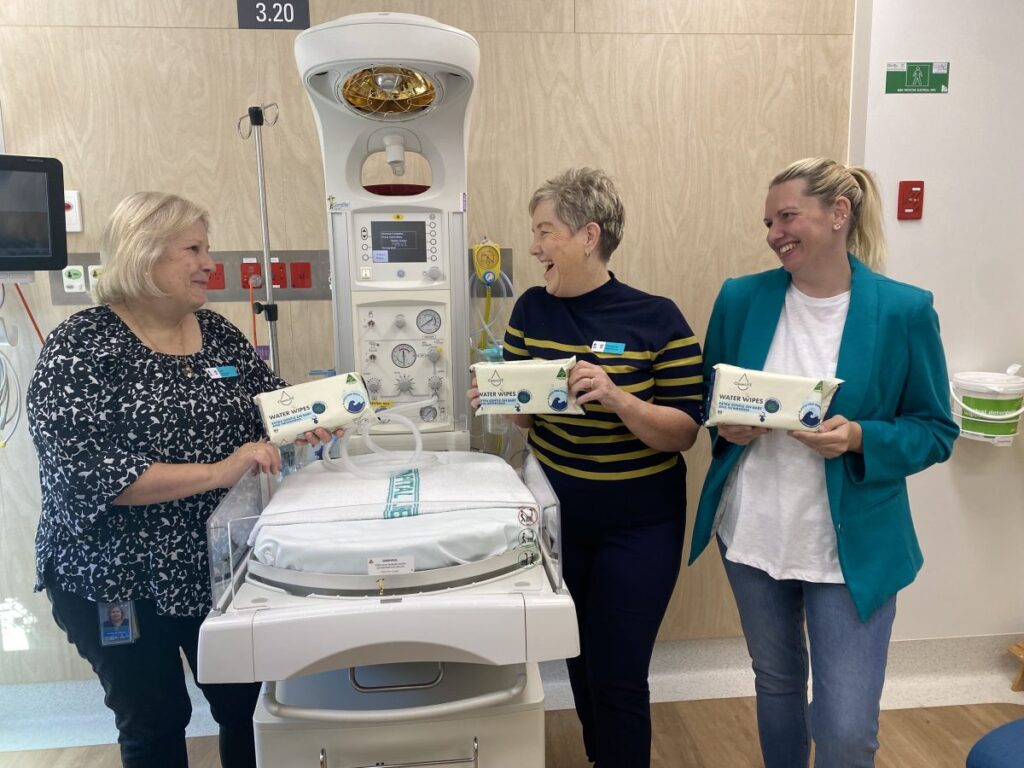
Canberra Hospital NICU clinical nurse manager Lori Grlj, Associate Professor Margaret Bloom and Miracle Babies parent representative Tara Corder were all involved in the research to reduce incidences of nappy rash in NICU babies. Photo: Claire Fenwicke.
More Than Just a Product Change
The success of the project was made possible thanks to the dedication of NICU staff, who balanced their busy workload with the extra research requirements.
Associate Professor Bloom praised the team: “They are a really special breed, those who come in here and work with us.”
The switch to CleanLife wipes shows how small changes can make a big difference; improving baby health outcomes, supporting families, and reducing environmental impact.
Reach out to your local RapidClean Member to learn more about the CleanLIFE wipe range
Original Article from the CleanLIFE Website published by Claire Fenwicke on Region Canberra.